Film Storia: A Stylish Font for Handmade Creations
It was a quiet afternoon in my studio, the kind where sunlight filters through the windows just right and the air is thick with possibility. I was working on a new batch of candle labels, trying to find the perfect font that would give them that extra touch of charm. Then I stumbled upon Film Storia, and it felt like the missing piece of the puzzle.
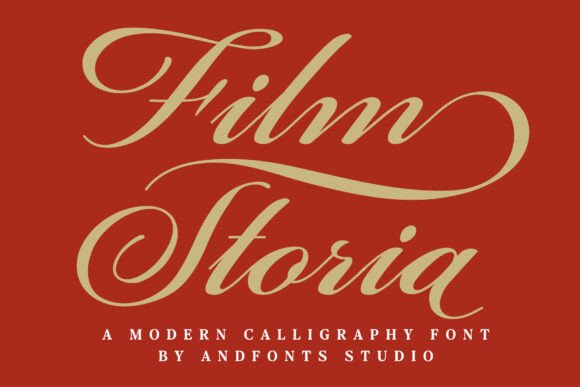
Film Storia is more than just a typeface—it’s an invitation to creativity. With its blend of classic calligraphy and modern flair, it brings a sense of elegance and expressiveness to any project. It has this gentle flow, like handwriting done with care, but with enough structure to feel polished. It’s the kind of font that makes you want to use it on everything from greeting cards to boutique packaging.
A Font That Speaks to the Soul of Handmade Goods
I’ve used many fonts over the years, but Film Storia stands out because of how well it balances tradition with contemporary design. Its curves are soft and inviting, making it ideal for decorative wording, names, or short phrases. I found myself using it on a set of birthday invitations last week, and the response was immediate—people loved how it added a personal, handwritten feel without looking too casual.
When designing for physical products, like mugs or tote bags, I look for fonts that translate well to print. Film Storia does this beautifully. The characters have enough detail to be readable even at smaller sizes, which is a big plus when creating product tags or stickers. I tested it on a few sample labels recently, and the results were clean and professional, yet full of character.
Bringing Film Storia to Life in Real Projects
I’ve started incorporating Film Storia into a variety of handmade items. For instance, I used it on a set of farmhouse-style signs I made for a local shop. The font’s organic feel complemented the rustic wood and gave the signs a warm, welcoming vibe. I also used it for some printable wall art, pairing it with a clean sans serif font for contrast. It worked perfectly, adding a touch of sophistication without overpowering the design.
Another favorite use has been for wedding invitations. I paired Film Storia with a simple serif font for the details, and the result was elegant and timeless. It felt like the perfect balance between old-world charm and modern simplicity. The same approach worked well for planner pages and digital printables, where I needed a font that felt both personal and professional.
Design Tips for Using Film Storia
If you’re considering using Film Storia in your own projects, here are a few tips to keep in mind:
- Readability Matters: While Film Storia is expressive, it’s best suited for display use rather than long blocks of text. Use it for headlines, titles, or short phrases to maintain clarity.
- Font Pairing: Try pairing Film Storia with a clean sans serif or simple serif font for balance. This combination works especially well for logos, packaging, and editorial designs.
- Check Licensing: Before selling any physical products, templates, or digital downloads, make sure you have the appropriate commercial font license. Film Storia comes with several styles and alternates, which can add versatility to your designs.
- Test on Different Surfaces: Whether you're printing on fabric, paper, or vinyl, test the font on different materials to ensure it looks great in every application.
I also love how Film Storia works in digital formats. When creating mockups or listing images for online shops, it adds a layer of visual appeal that helps catch the eye. It’s subtle but effective, and I’ve noticed that customers tend to pause longer on items with a well-chosen font.
Whether you're making seasonal products, branding your small shop, or creating digital assets, Film Storia offers a versatile and stylish option that feels both timeless and fresh. It’s a font that speaks to the heart of handmade creation, and I can’t wait to see how others bring it to life in their own unique ways.